


22 Sep What Happens When Preschoolers Get to Try Everything Before Choosing What They Love?
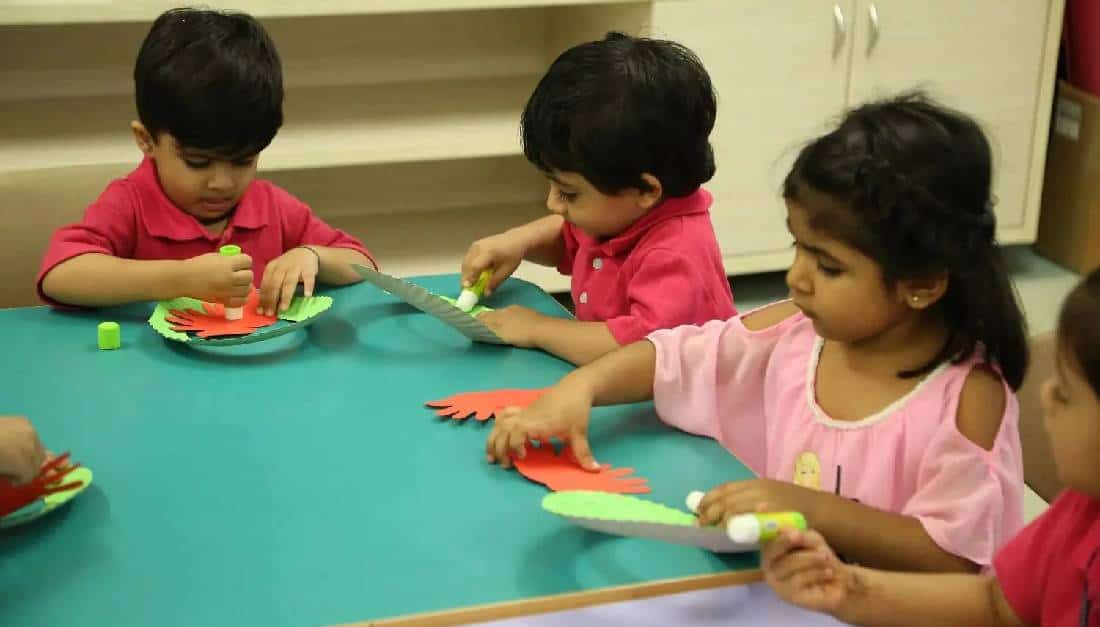
A preschooler may spend one morning painting, another building with blocks and the next joining a music activity. One child may become fascinated by stories, while another returns to puzzles, sensory play or movement.
For parents, changing interests can look like indecision. In the early years, however, trying different experiences can help children discover what engages them. Young children learn through active experiences, interaction, experimentation and play.
Different materials and activities give them opportunities to make choices, communicate, solve problems and notice what holds their attention.
Exposure Comes Before Preference
Children cannot choose from possibilities they have never encountered.
A child may discover an interest in construction after experimenting with building blocks. Another may become absorbed in storytelling. Someone else may respond strongly to music, dance, art or sensory materials.
At MBIP Mumbai, this variety is reflected in an experiential approach that includes music and song, stories and poetry, hands-on experiences, observation and meaningful interactions. Its learning environment also includes spaces for art, dance, music and reading.
Different experiences give children different ways to participate, experiment and discover what captures their attention. They also allow adults to observe how a child responds across contexts rather than drawing conclusions from one activity or one moment.
How MBIP Creates Opportunities to Explore?
The MBIP Toy Library provides a direct example. Its collection includes puzzles, building blocks, pretend-play sets and sensory games, introducing children to different forms of play and different kinds of challenges.
Exploration is also part of the Playgroup experience, with activities including storytelling, music, rhymes, art, sensory play and free exploration, alongside outdoor play and movement.
Together, these experiences allow children to encounter different possibilities before their preferences become clearer. The purpose is not to identify a favourite immediately, but to make exploration a meaningful part of the preschool experience.
Preschoolers may not always be able to explain what interests them. A child may return to an activity repeatedly, stay engaged for longer or ask more questions. These patterns can help adults notice emerging interests without turning a temporary fascination into a fixed identity. Observation can simply guide the next opportunity: another story, a new material, a different question or a related activity.
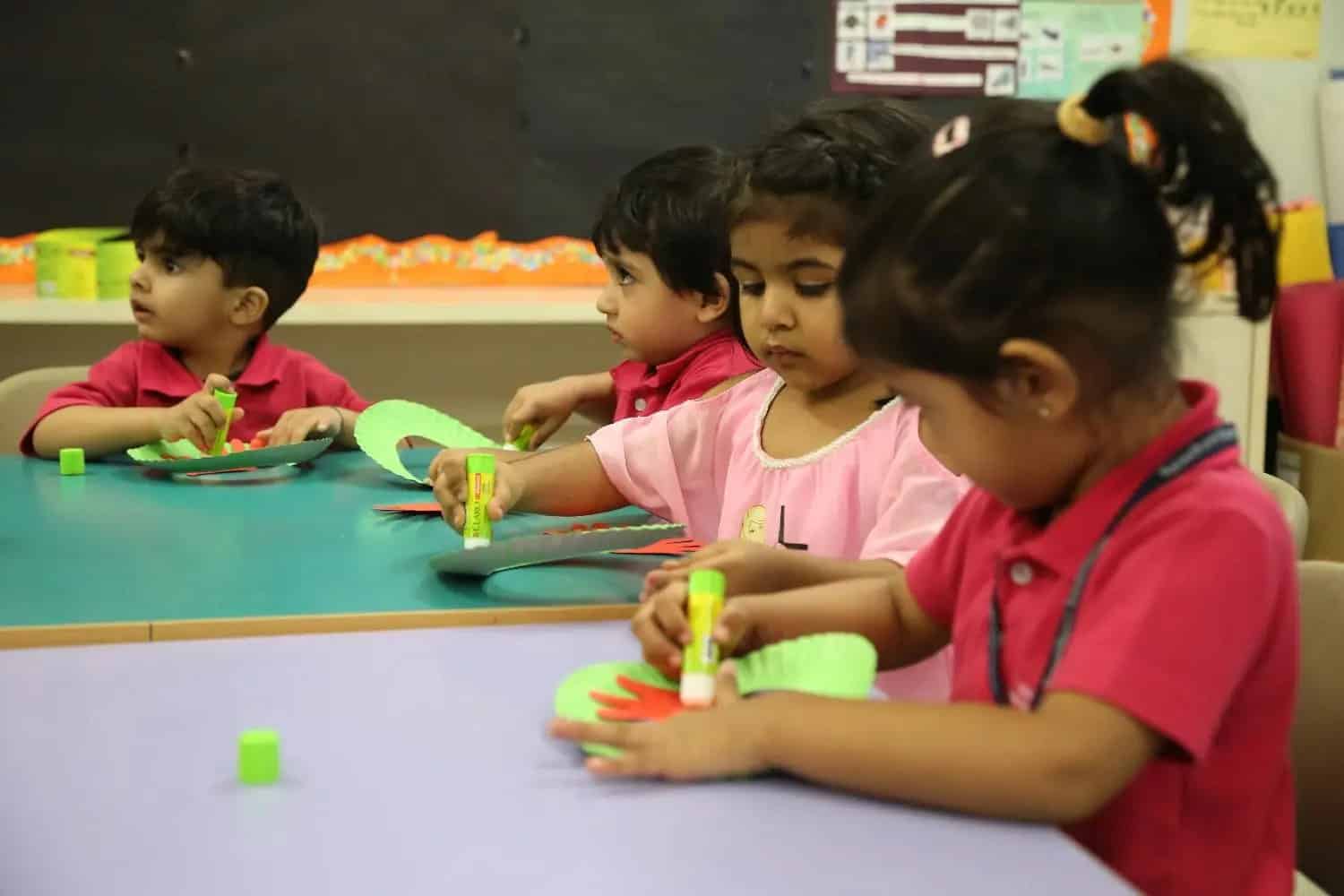
Choice Creates Opportunities for Communication
Exploration becomes richer when children can talk about what they are doing.
MBIP’s Show & Tell activities give children opportunities to bring something meaningful, share it with classmates and talk about their thoughts. MBIP describes Show & Tell as supporting social interaction, communication and creativity.
Music, storytelling and pretend play can similarly create reasons to listen, speak, ask questions and express preferences.
These experiences provide opportunities to practise preschool communication skills because children use communication to share an idea, explain a choice or describe an experience.
Experimentation Gives Thinking Room to Grow
Trying different activities also means encountering small problems.
A block tower falls. A puzzle piece does not fit. A child cannot make something work as expected. Another approach is needed.
These moments can create opportunities relevant to preschool cognitive development, including experimentation, problem-solving, decision-making and adjusting an approach.
MBIP documents activities including puzzles, playdough, craft and toys, alongside experiences such as running, jumping, singing, twirling and Animal Yoga.
The learning can happen while the child works out what to try next, not only when the activity is completed.
Variety Still Needs Structure
Giving children different experiences does not mean leaving them to direct everything themselves.
MBIP Mumbai describes a balance of structure and free play, with experiences tailored to children’s developmental stages. This allows variety and choice within an environment that still provides routines and guidance.
Variety creates possibilities. Choice gives children agency. Guidance helps deepen the experience.
What Parents Should Actually Watch For
When visiting a preschool, parents may be tempted to count the number of activities offered. A better question is what children can do within those experiences and how adults support them while they explore. The quality of an activity matters as much as the number of activities available.
Look for opportunities to:
- Try different types of activities
- Make meaningful choices
- Return to experiences that interest them
- Ask questions and express ideas
- Work alongside other children
- Try another approach when something does not work
- Receive guidance without having every step dictated
Parents can also watch for patterns. Does the child repeatedly choose a particular activity? Do they concentrate longer when something interests them? Do they talk about it afterwards or recreate it at home?
At Mainadevi Bajaj International Playschool, experiential learning, play and exploration give children opportunities to encounter different forms of activity before their preferences become clearer.
For a young child, trying something new is not a detour from learning. It is often where the learning begins.
FAQs
1. Why should preschoolers try different activities?
Varied experiences give children opportunities to explore, experiment, communicate, solve problems and discover emerging interests.
2. How does choice support preschool communication skills?
Choices create opportunities for children to explain preferences, ask questions, listen to others and communicate their ideas.
3. How does exploration support preschool cognitive development?
Exploration can involve experimentation, problem-solving, decision-making, flexible thinking and adjusting an approach after an outcome.
4. Should preschoolers specialise in one activity?
Preschool can provide a broad range of experiences while children gradually discover their interests rather than being pushed toward early specialisation.
5. How can parents identify a preschooler’s interests?
Look for repeated choices, sustained attention, questions and enthusiasm for returning to particular activities.
Sorry, the comment form is closed at this time.