

Preschool Curriculum

International Preschool Curriculum for Early Childhood Learning

A Preschool Curriculum That Helps Children Feel Safe, Curious, Confident, and Ready to Learn

At Mainadevi Bajaj International Playschool, our international preschool curriculum helps children build communication, creativity, emotional confidence, problem-solving abilities, social awareness and lifelong learning habits through structured play-based education.

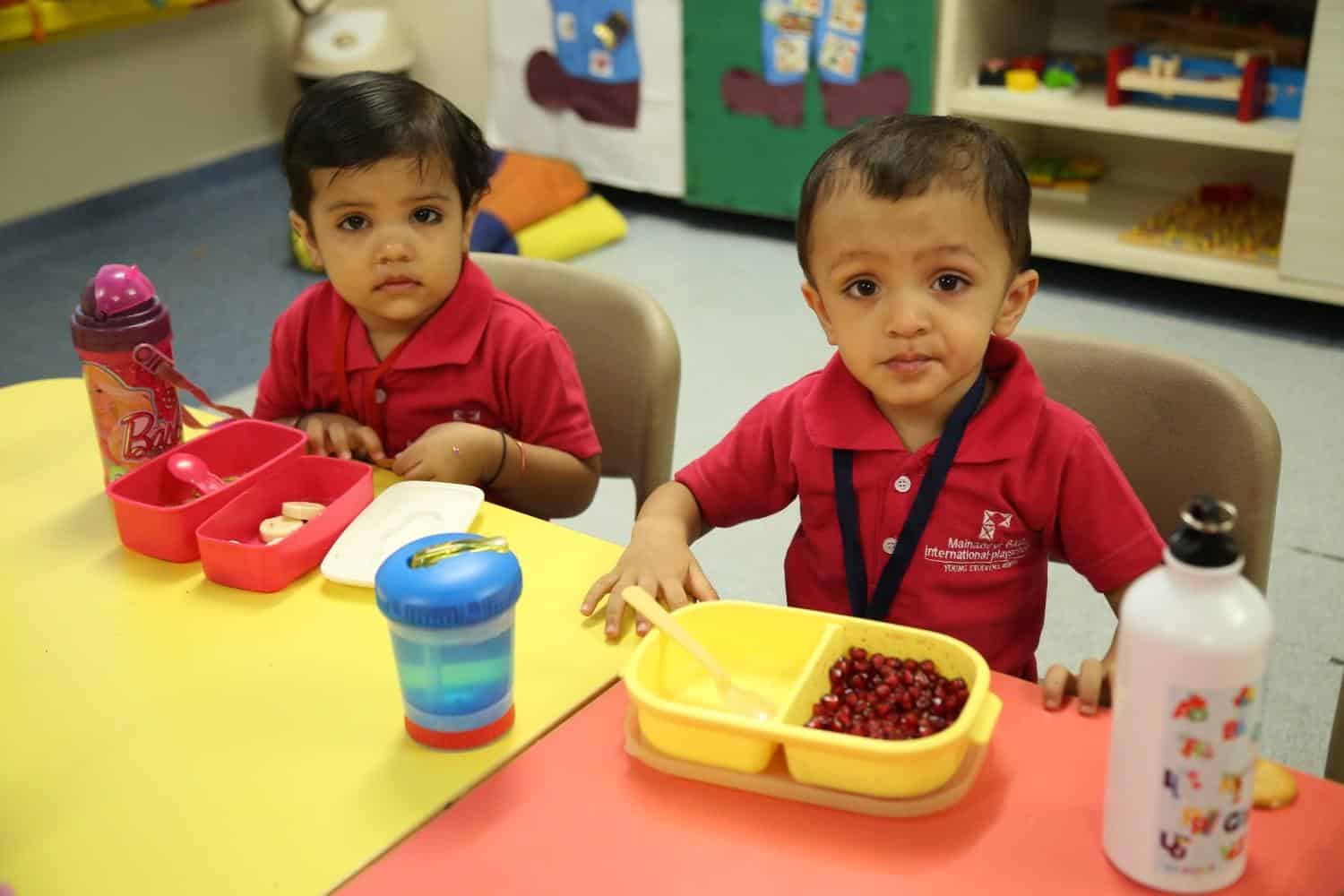
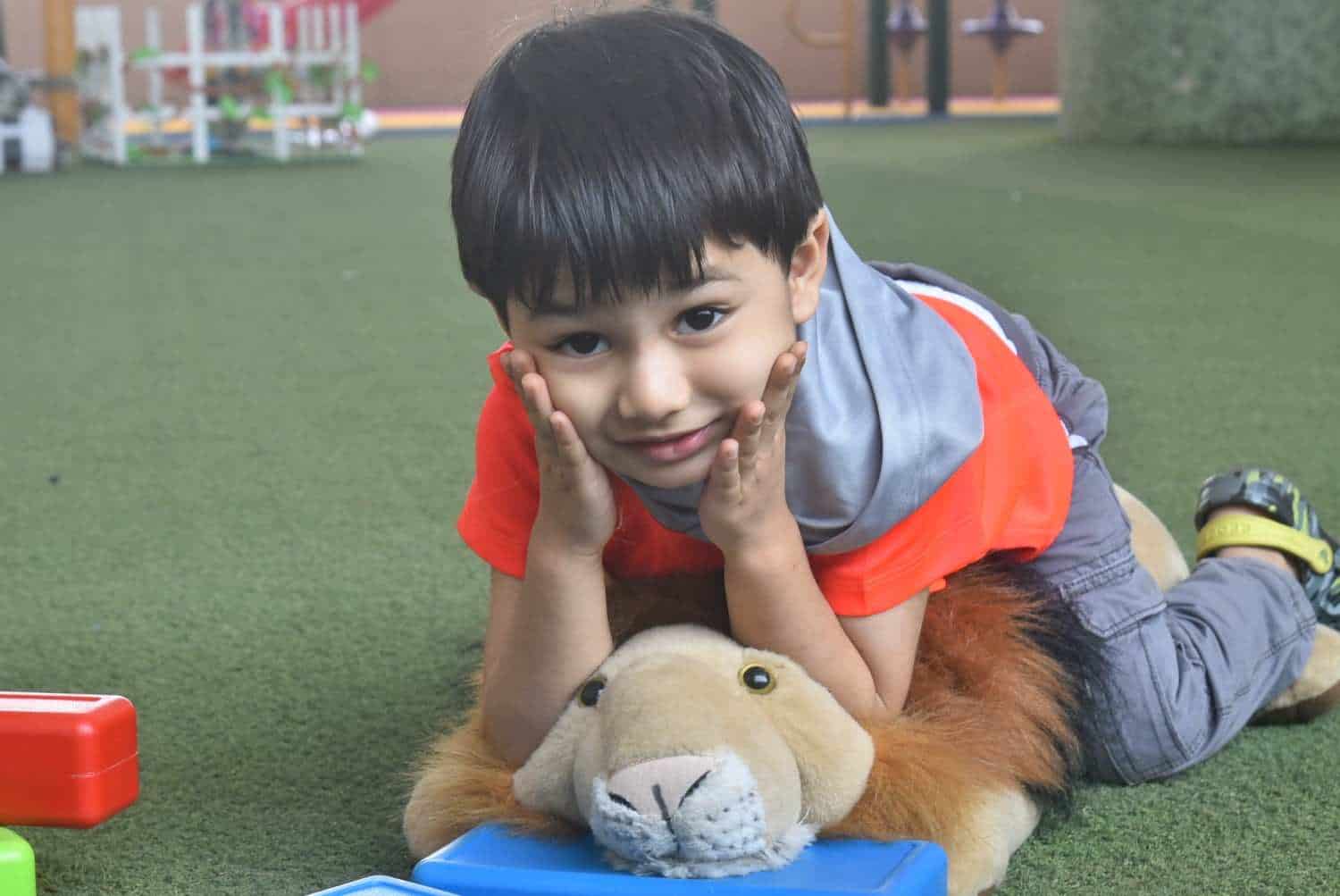
The curriculum is designed to make early learning joyful, meaningful and developmentally appropriate. Children learn through stories, phonics, music, movement, sensory play, creative expression, classroom conversations and hands-on exploration.
IPC Credibility Section

MBIP follows the International Preschool Curriculum, designed by professors, academicians and early childhood educators. The curriculum is rooted in Howard Gardner’s theory of multiple intelligences and supports children across different learning styles, strengths and developmental needs.

The IPC framework also uses theme-based and trans-disciplinary learning experiences, helping children connect language, numeracy, creativity, movement, emotional development and world awareness in meaningful ways.

Instead of focusing only on early academics, the IPC approach encourages children to think, question, create, express, explore, interact and understand the world around them. It brings together global early childhood practices with MBIP’s nurturing, child-centric classroom environment.

What Makes Our Preschool Curriculum Different

Unlike traditional preschool models that often focus heavily on repetition, worksheets and rote memorisation, MBIP’s preschool education curriculum encourages children to learn through play, inquiry, creativity, movement, communication and exploration.

Every activity is designed with a developmental purpose. A story may build vocabulary. A puzzle may develop patience and logic. A pretend-play activity may build imagination and social confidence. A movement game may strengthen coordination. A group task may teach sharing, listening and turn-taking.

This makes learning natural, joyful and meaningful for young children.

Our International Preschool Syllabus

The international preschool syllabus at MBIP supports the whole child across language, numeracy, creativity, physical development, emotional growth, social confidence and world awareness.

Language & Communication Development

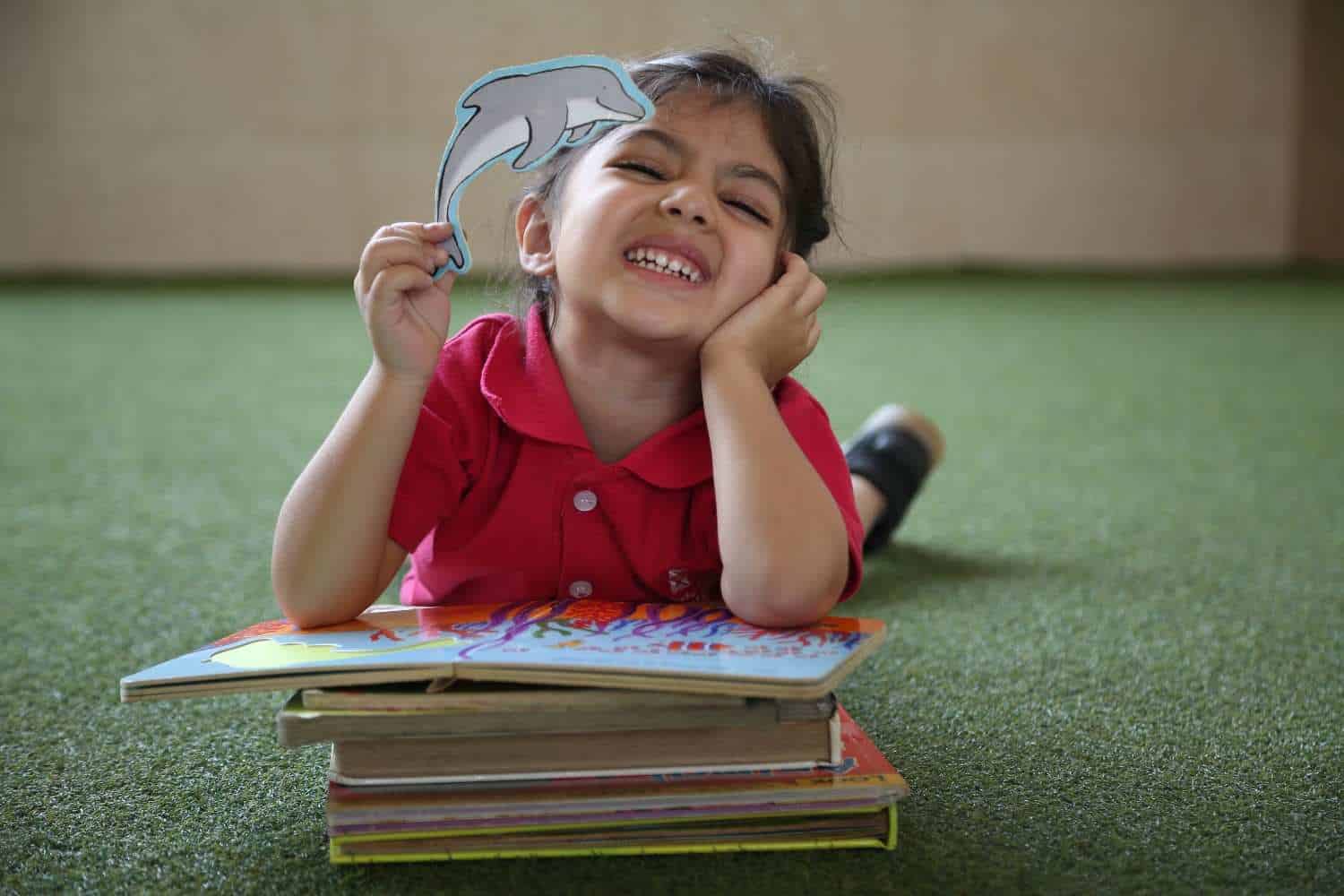
Children build early communication skills through storytelling, phonics, rhymes, songs, picture books, listening activities, vocabulary-building exercises and guided conversations. These experiences help children's express ideas, understand instructions, ask questions and develop confidence in language.

Numeracy & Logical Thinking

Early numeracy is introduced through numbers, shapes, colours, patterns, sorting, matching, sequencing, puzzles, counting games and simple problem-solving activities. Children learn mathematical concepts through hands-on exploration rather than memorisation.

Creative Expression & Arts

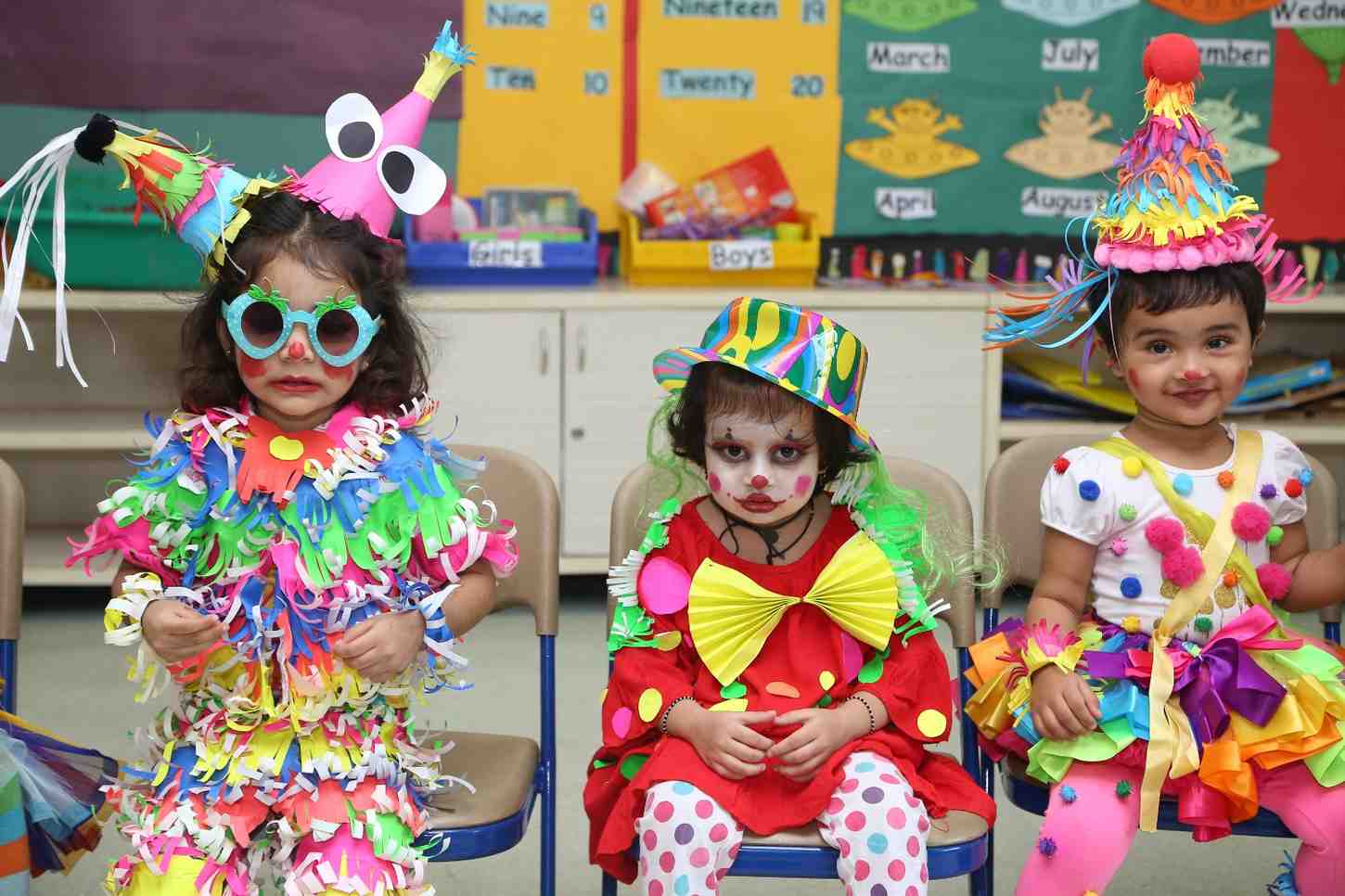
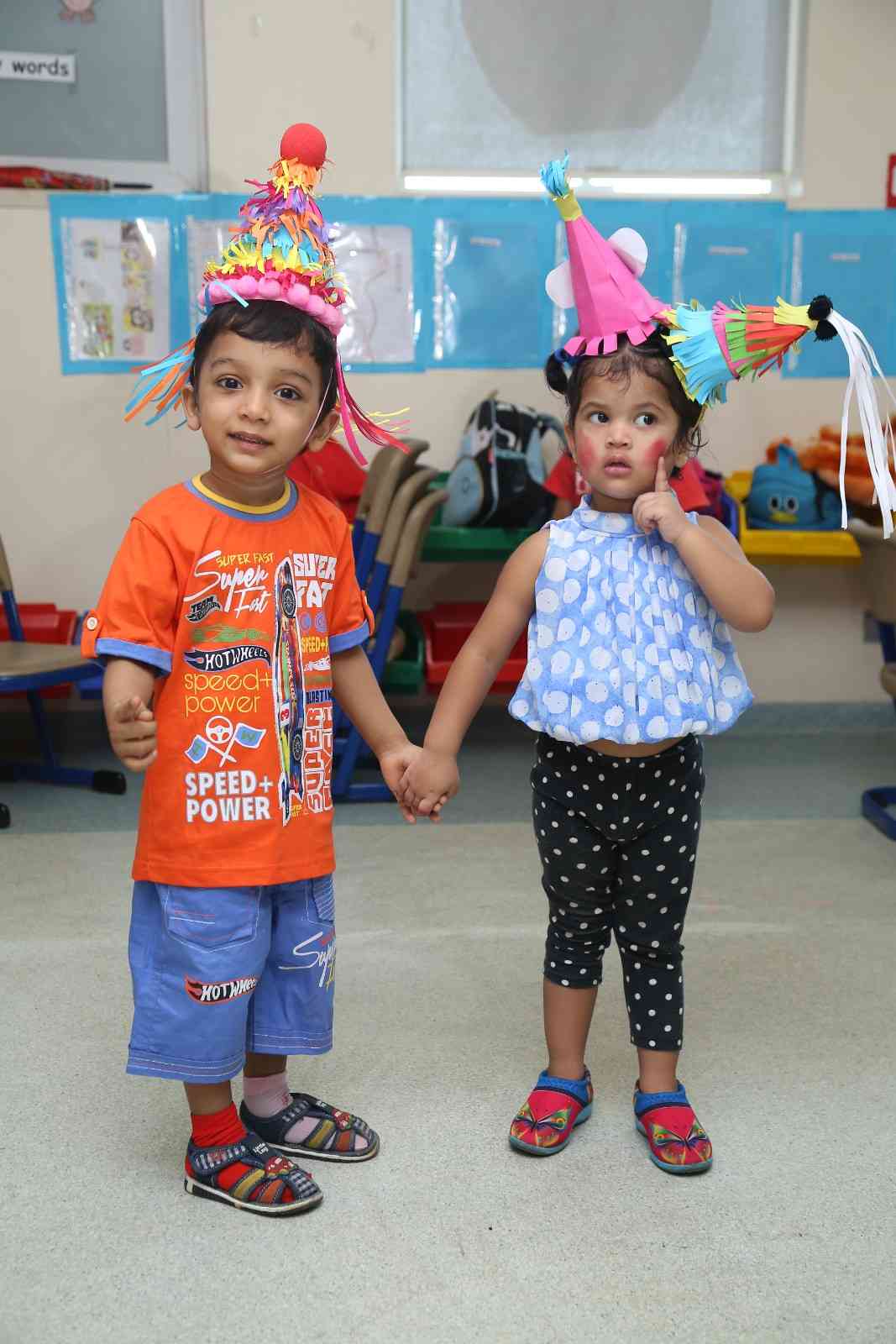
Children explore drawing, painting, craft, music, movement, visual arts, pretend play and imaginative storytelling. These activities support creativity, emotional expression, fine motor development, original thinking and confidence.

Physical Development

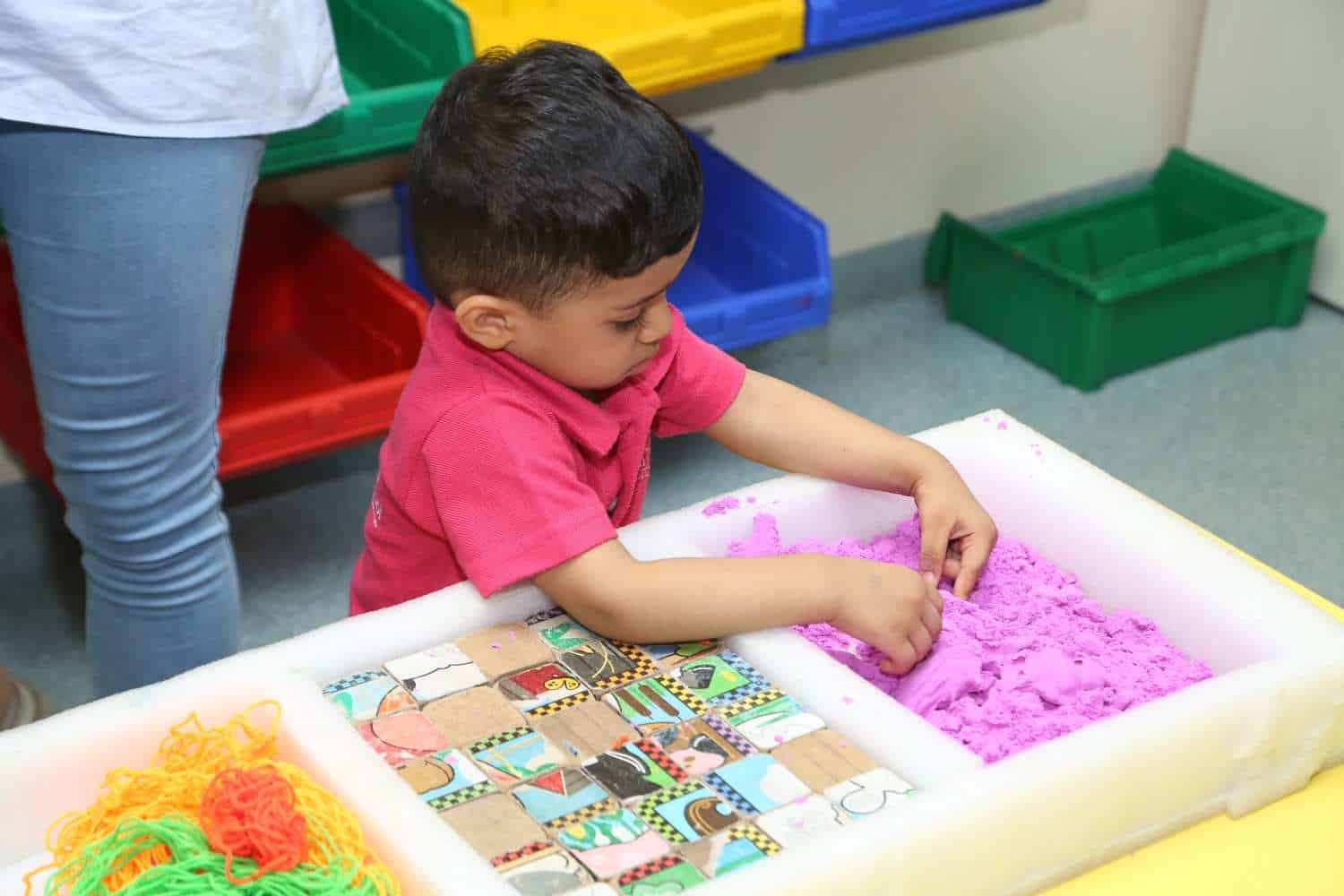
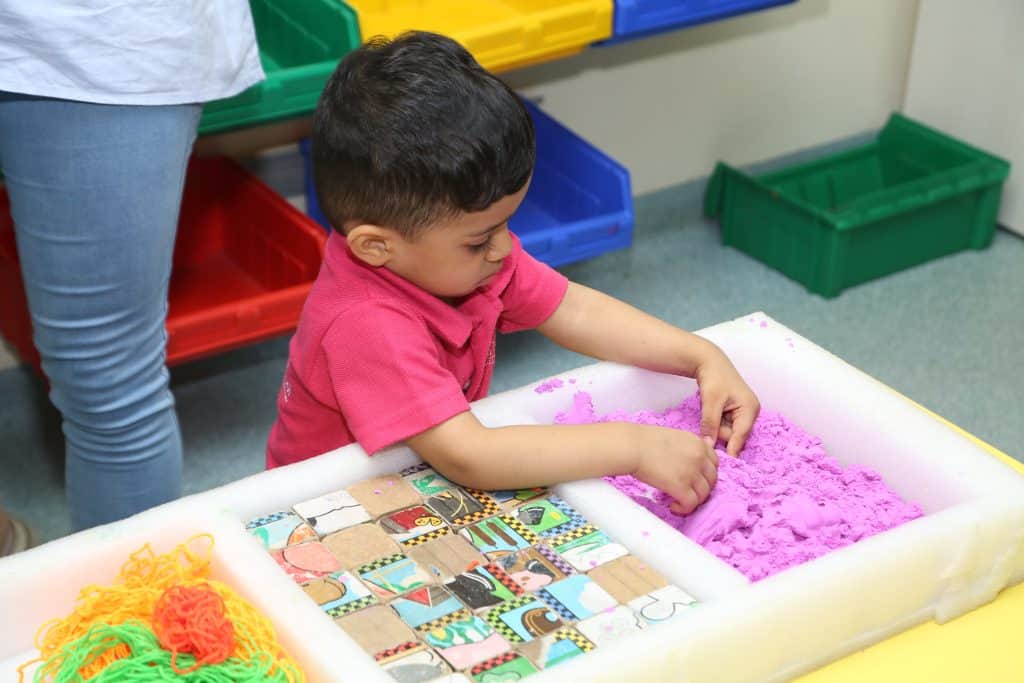
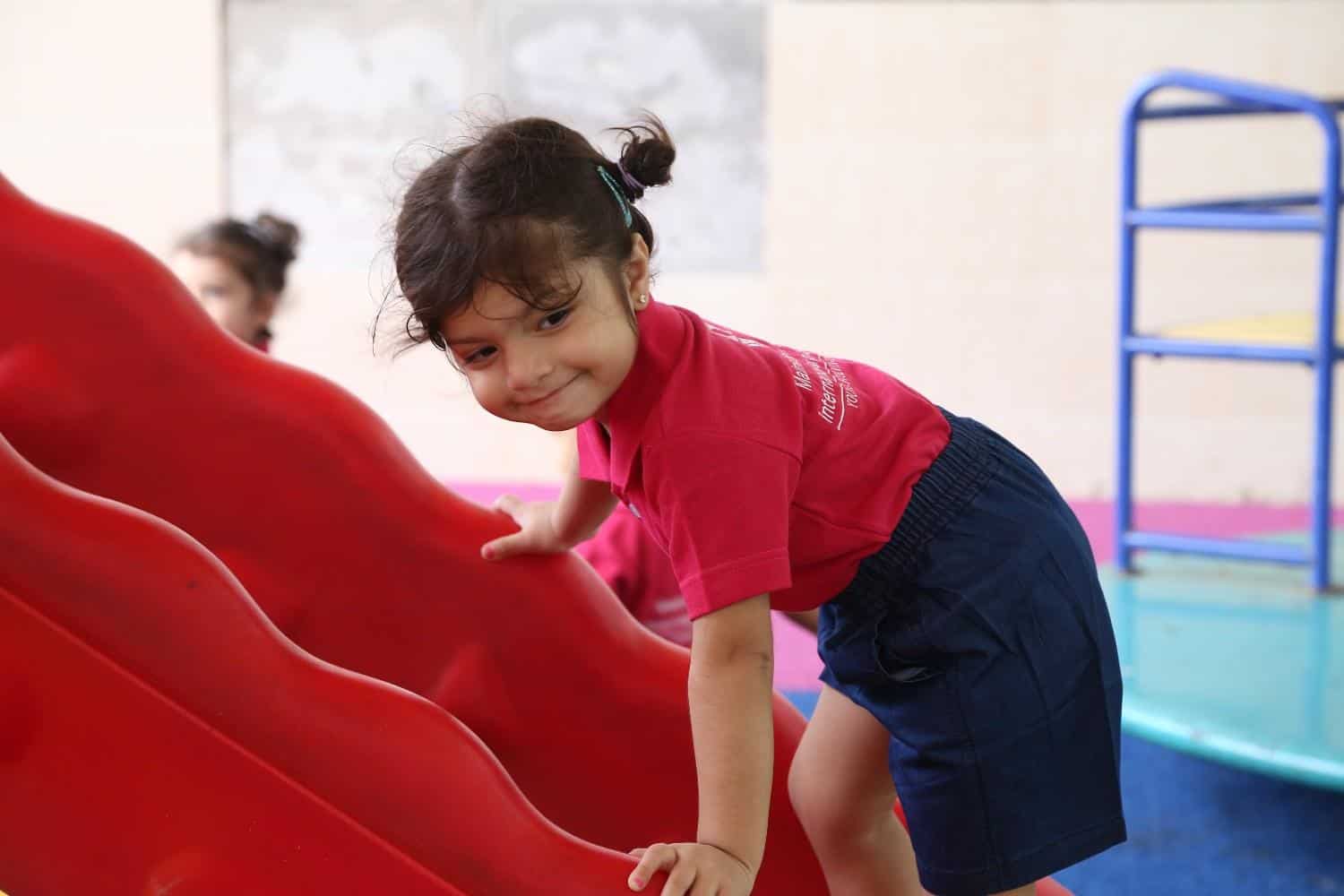
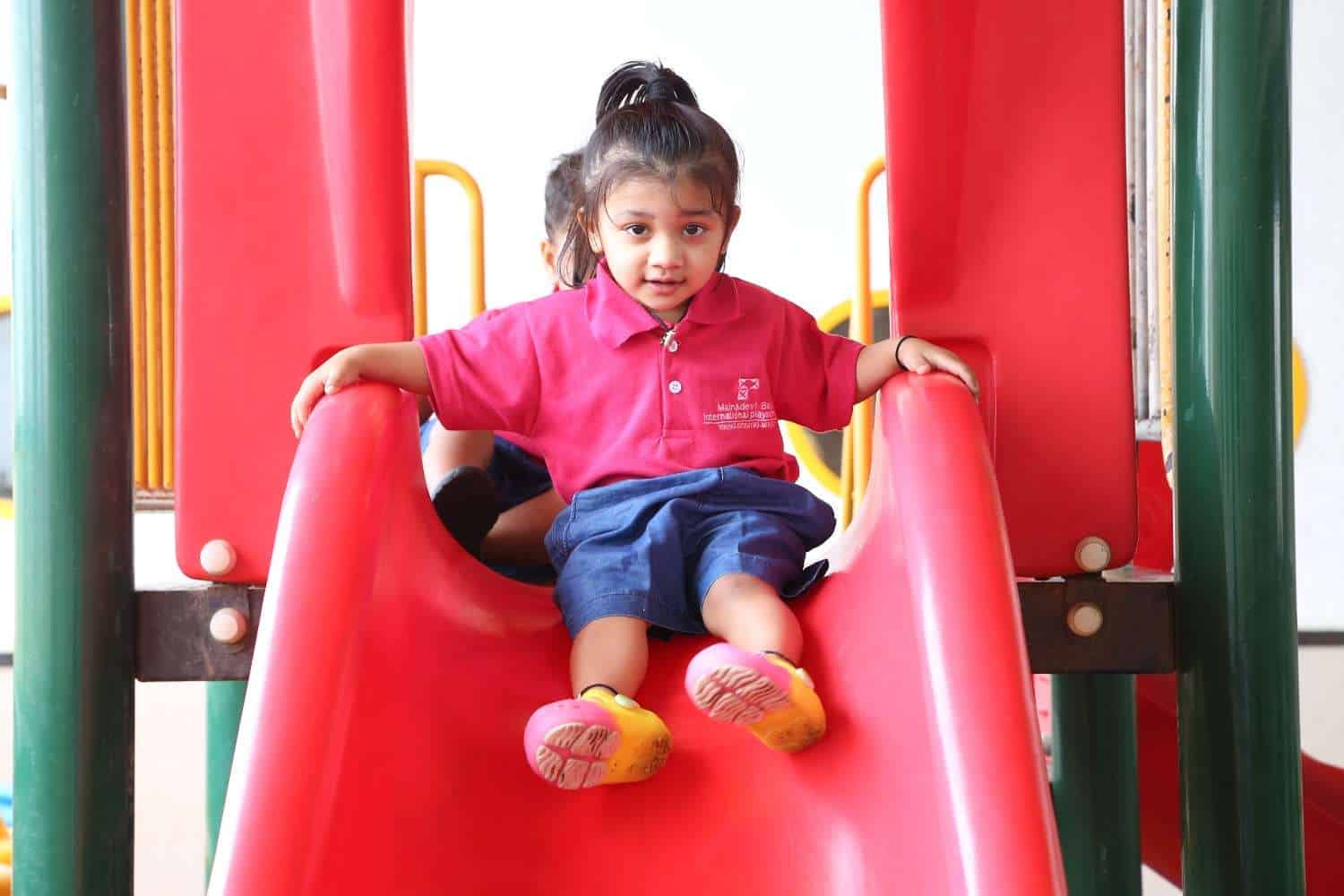
The curriculum supports fine and gross motor development through movement activities, outdoor play, dance, balancing games, sensory tasks, craft and hand-eye coordination exercises. Children build body awareness, strength, balance and physical confidence.

Social & Emotional Learning

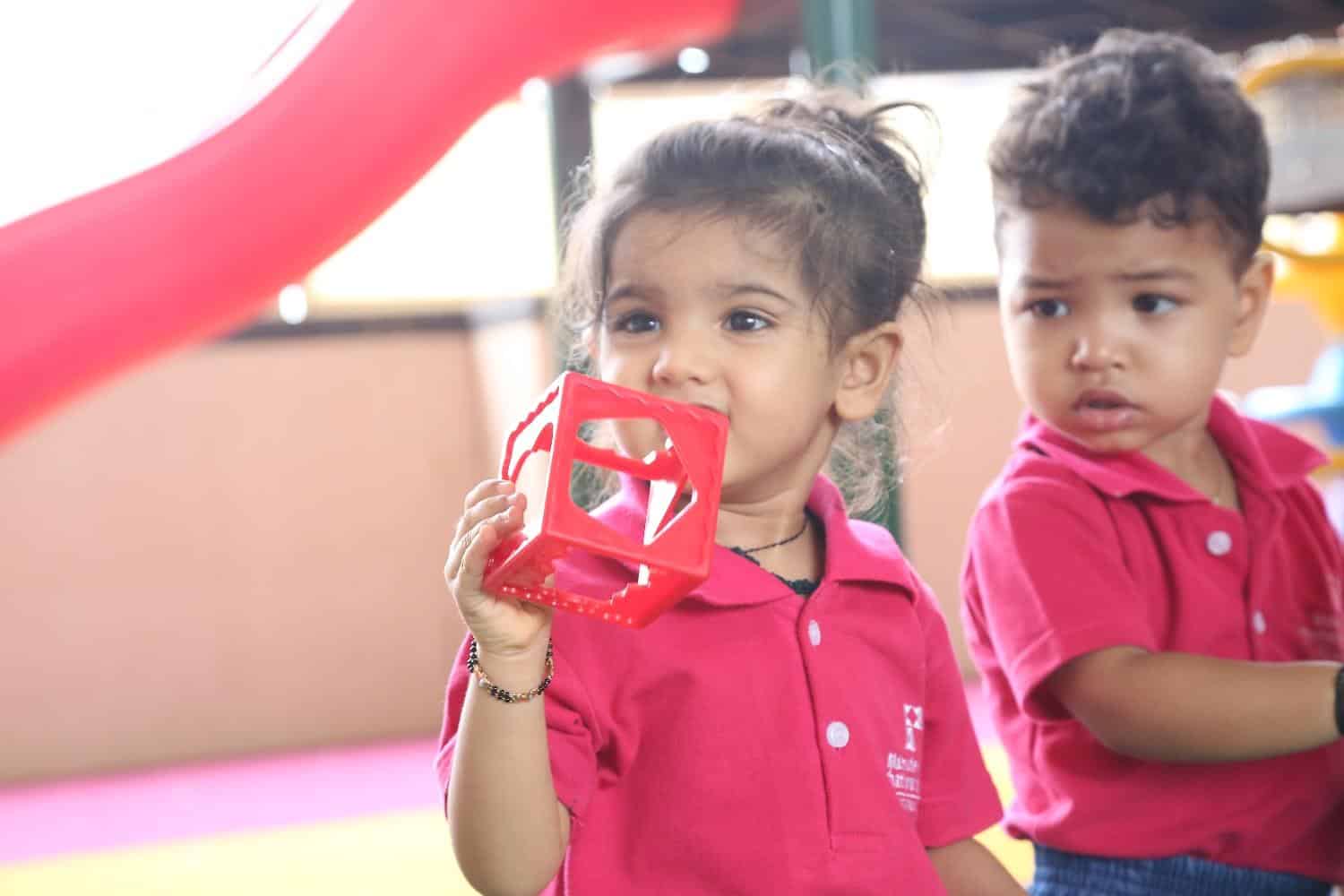
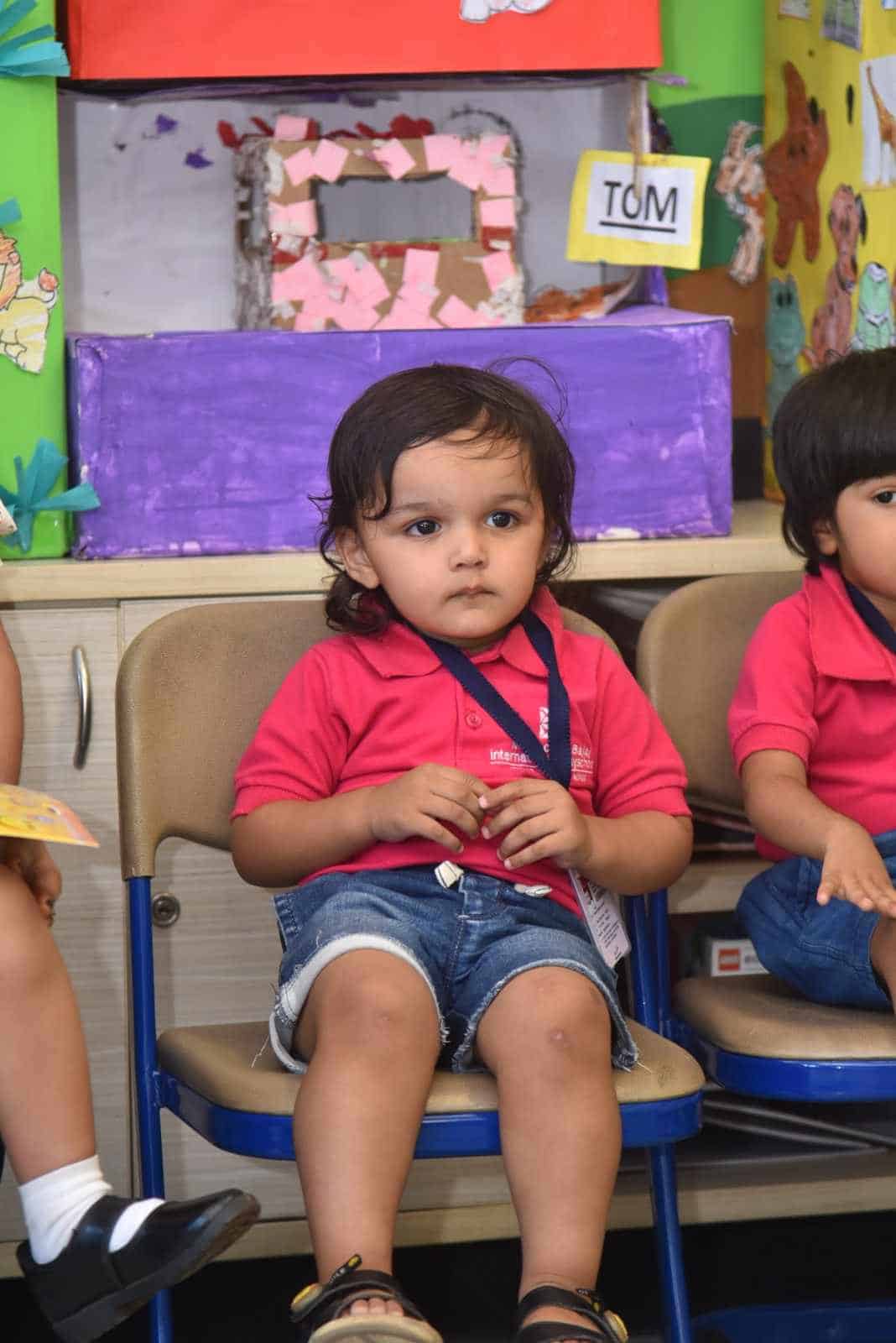
Children learn to share, take turns, follow routines, express feelings, build friendships, participate in group activities and become comfortable in a classroom environment. This helps them develop empathy, independence, patience and emotional confidence.

Environmental & World Awareness

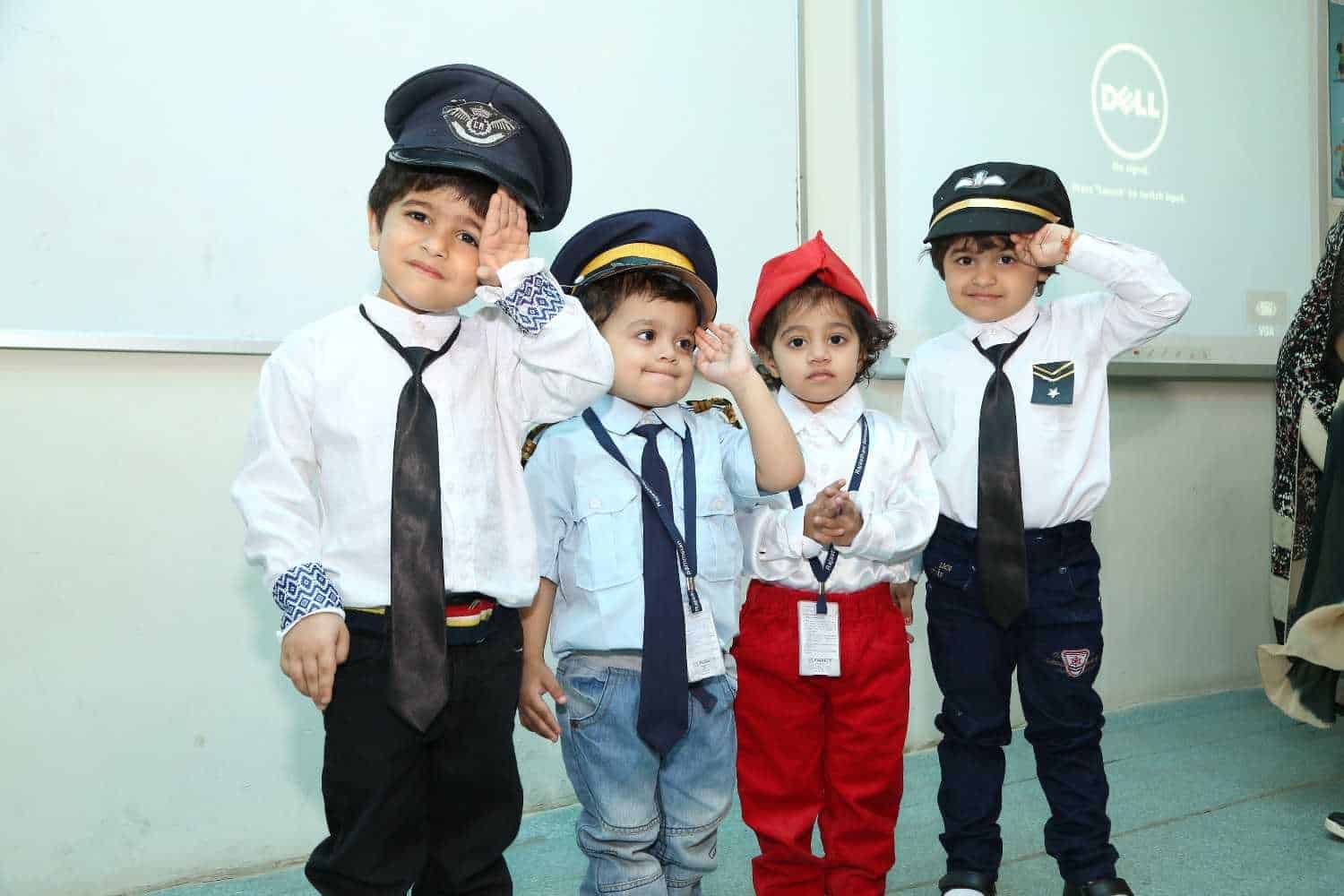
Children are introduced to nature, seasons, animals, plants, community helpers, festivals, cultures and the world around them. These experiences build curiosity, observation, empathy, cultural understanding and early global awareness.

Learning Through Play & Exploration

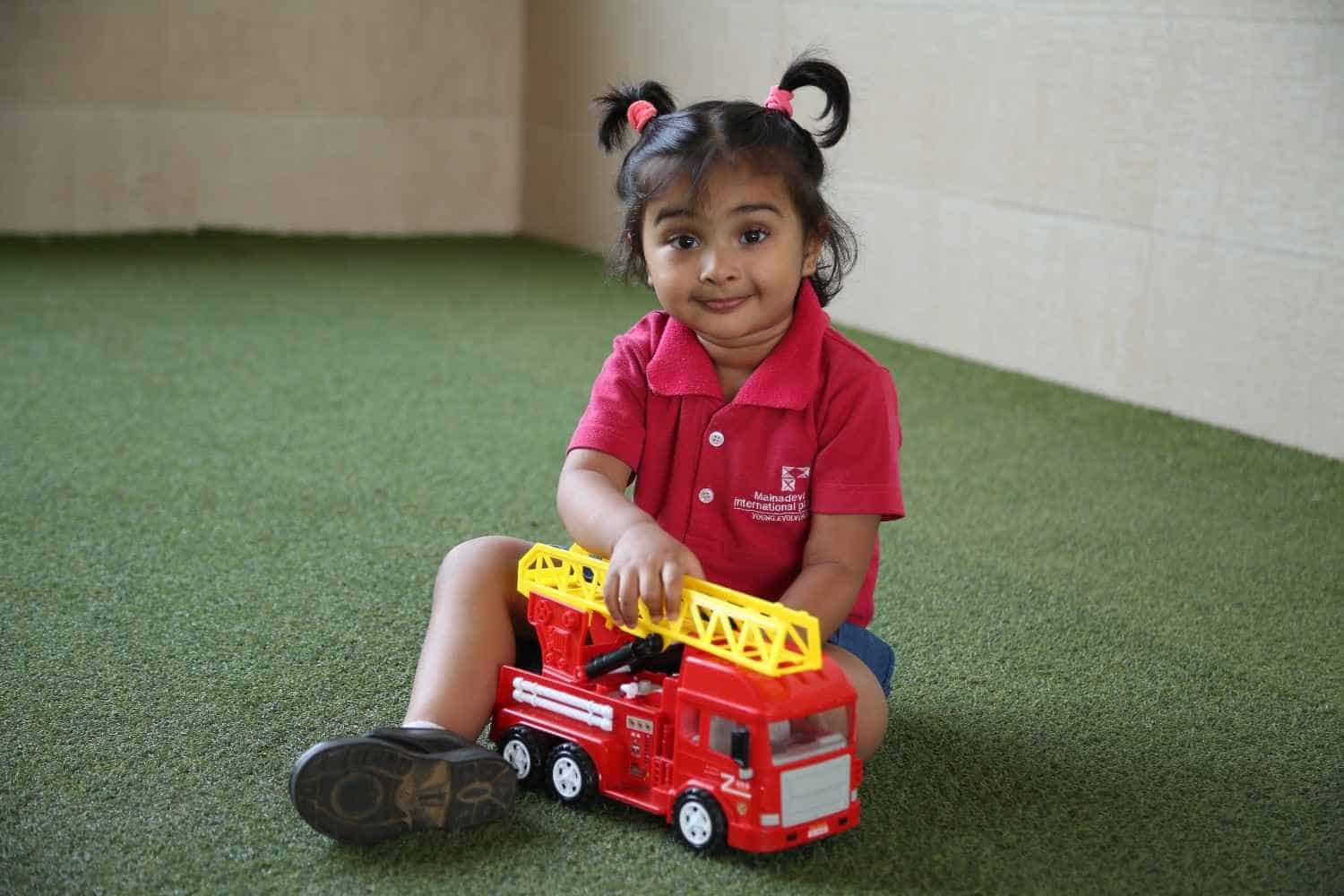
At MBIP, play is not treated as a break from learning. It is one of the most powerful ways young children understand ideas, language, movement, emotions, relationships and the world around them.

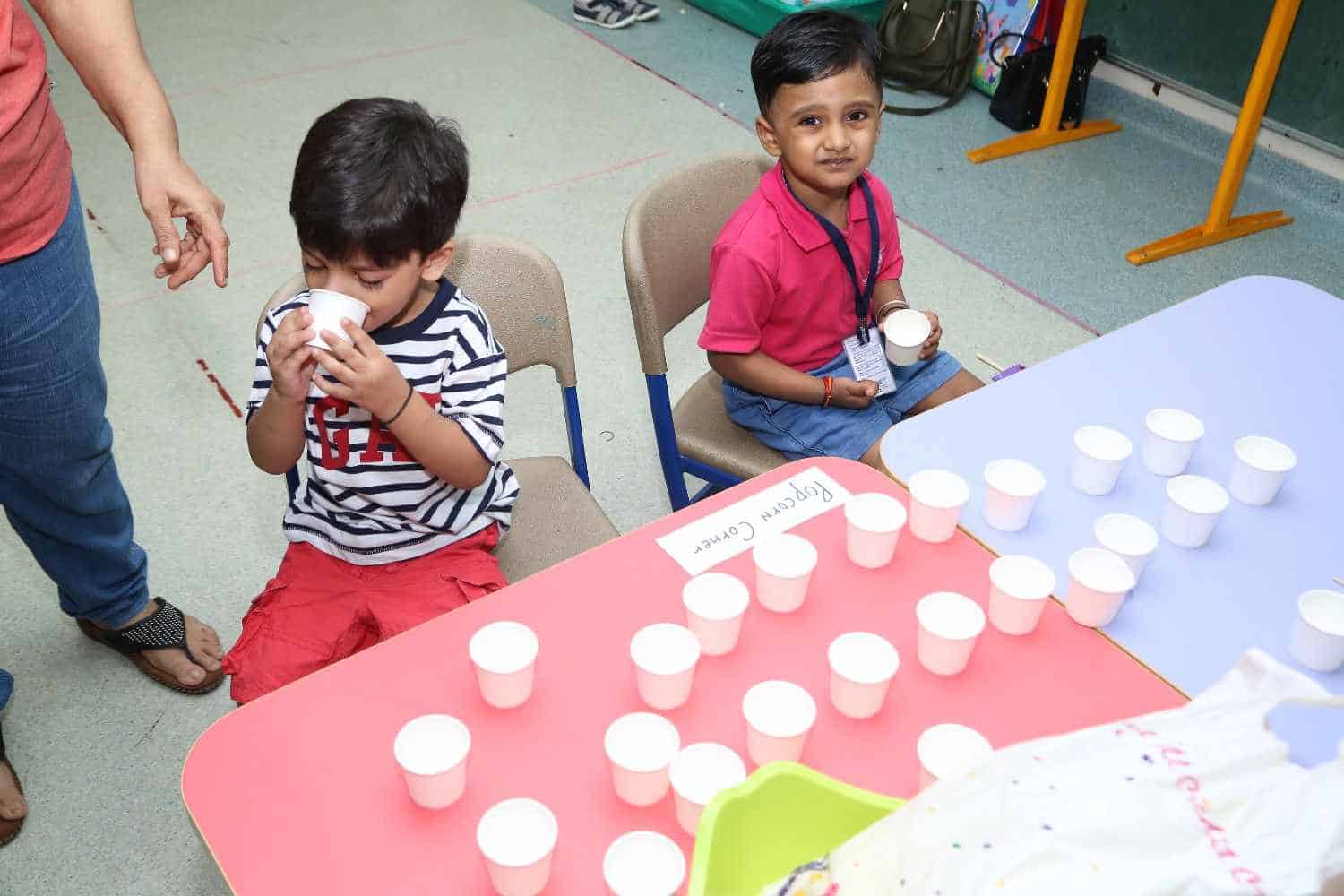
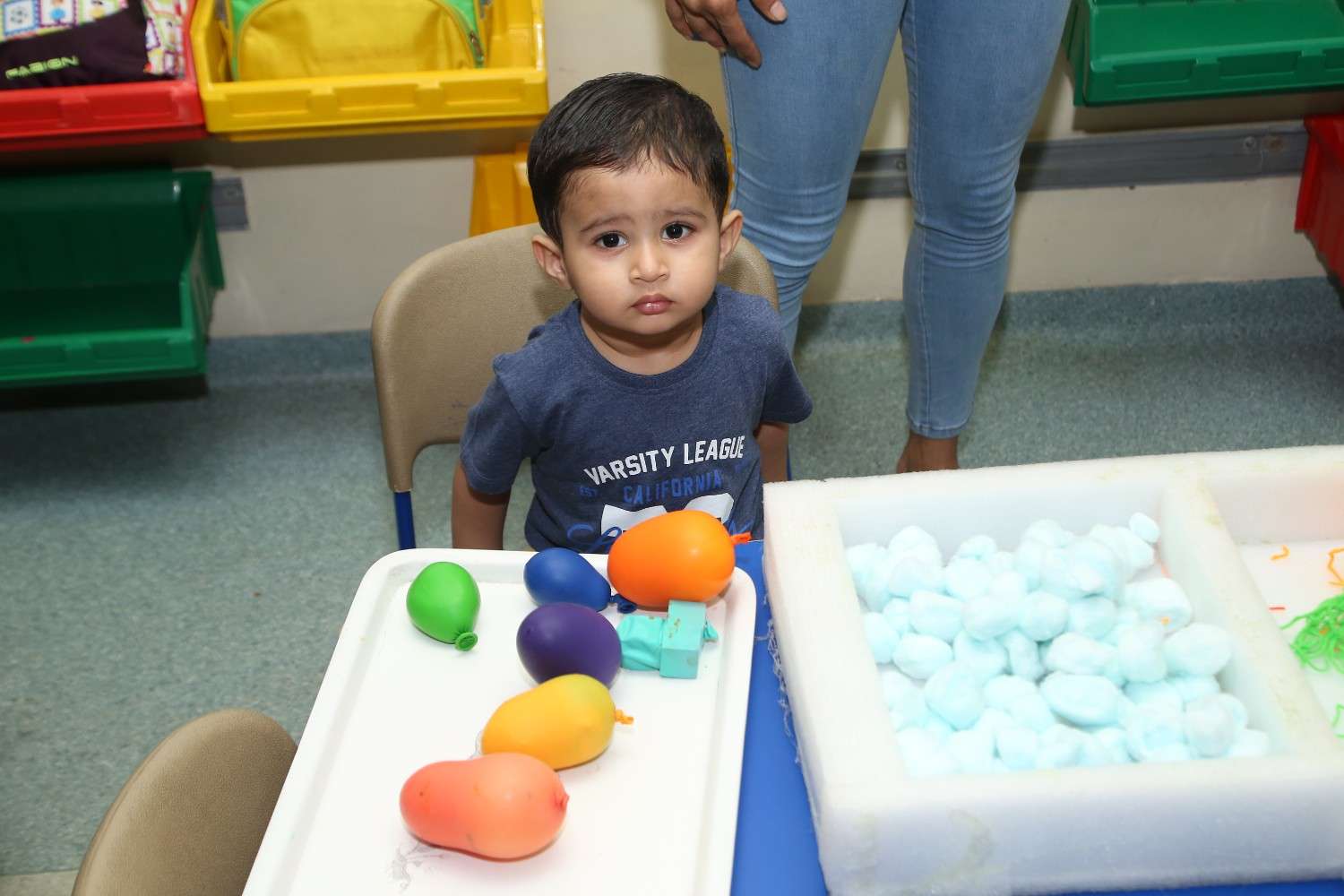
Through activity-based learning, sensory play, storytelling, music and movement, pretend play, collaborative activities and hands-on exploration, children experience concepts naturally. They learn by doing, asking, repeating, observing, imagining and connecting classroom experiences to everyday life.

Skills Children Develop Through Our Curriculum

Suggested Website Format: Use this as a compact icon/card section.

Communication Skills

Listening, speaking, responding, describing, asking questions and expressing ideas.

Creativity & Imagination

Art, music, storytelling, pretend play and open-ended creative activities.

Cognitive Development

Sorting, matching, sequencing, memory games, puzzles and early reasoning.

Social Confidence

Sharing, turn-taking, peer interaction and collaborative play.

Emotional Intelligence

Recognising feelings, managing transitions, building patience and expressing emotions.

Problem Solving

Exploration tasks, puzzles, building blocks and guided decision-making.

Physical Coordination

Movement, sensory play, outdoor activities, balance and hand-eye coordination.

Frequently Asked Questions 

What is included in a preschool syllabus?

preschool syllabus usually includes language development, early numeracy, creative expression, physical development, social-emotional learning, sensory activities, storytelling, music, movement and environmental awareness.

What is an international preschool curriculum?

An international preschool curriculum follows globally inspired early childhood learning practices. It focuses on holistic development, play-based learning, inquiry, creativity, communication, emotional confidence, cultural understanding and social growth. 

How does play-based learning help children?

Play-based learning helps children understand concepts through exploration, imagination, movement, interaction and hands-on experiences. It supports communication, creativity, confidence, problem-solving and social development. 

What is the difference between traditional and international preschool curriculum?

A traditional preschool approach often focuses on repetition, worksheets and early academics. An international preschool curriculum focuses on curiosity, communication, creativity, emotional development, social learning, inquiry-led exploration and child-centric development.

How does preschool curriculum help child development?

A strong preschool curriculum supports language, motor skills, emotional confidence, social interaction, cognitive growth, creativity, independence, problem-solving and school readiness. 

What skills are taught in preschool?

Children develop communication, early numeracy, creativity, social confidence, emotional awareness, problem-solving, physical coordination, independence, listening skills and early learning habits. 

Help Your Child Begin
Learning with Confidence

Explore how MBIP’s international preschool curriculum supports confidence, curiosity, communication, creativity, emotional security and school readiness through joyful early learning experiences.